

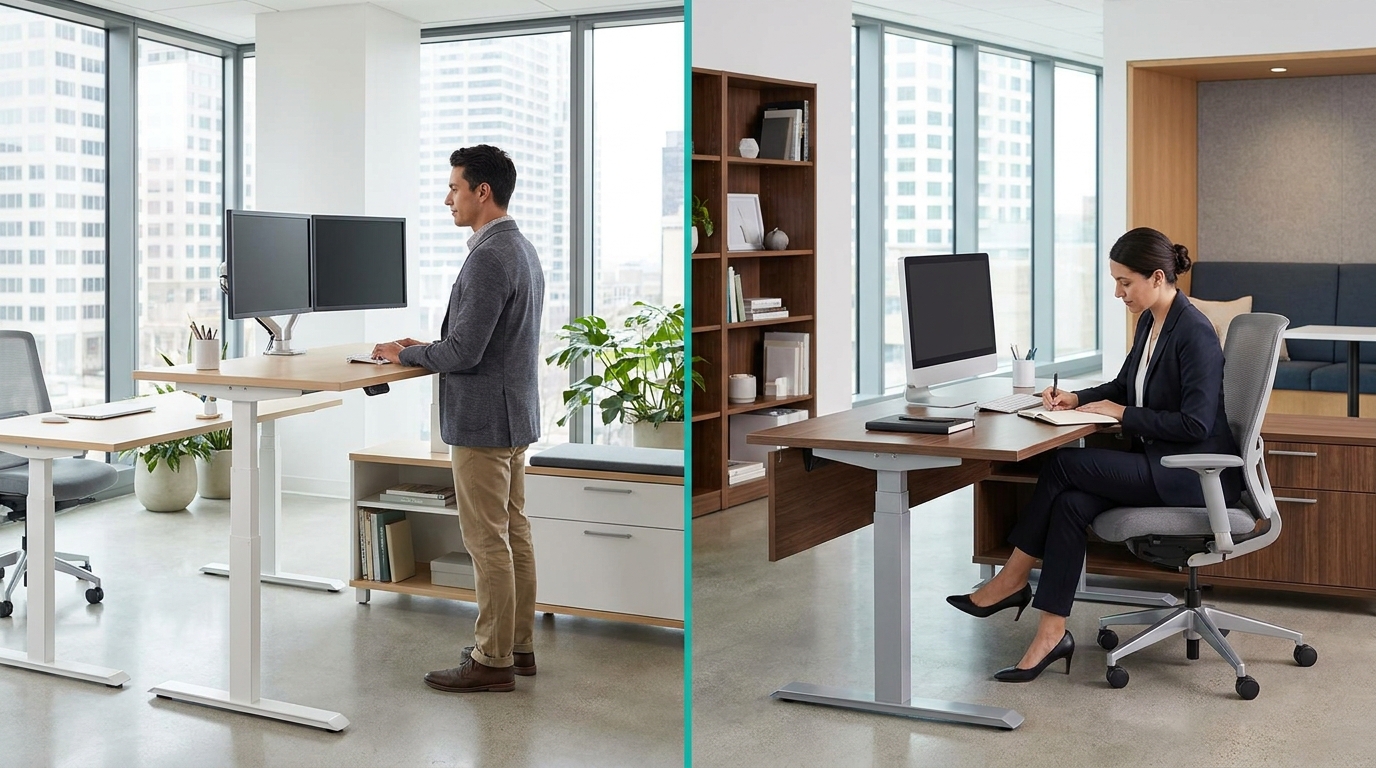
Standing Desks vs Traditional Desks: A Deep Dive
The ongoing debate between standing desks and traditional sitting desks isn’t going away soon. If you’ve worked in an office, you’ve probably seen someone raising their workstation and thought, “Is this really better?” Let’s break it down.
Health Impact: Hype or Real Advantage?
Standing desks have been pitched as a fix for back pain, bad posture, and even low energy. Multiple studies, including a 2022 review by the Mayo Clinic, show that people using standing desks report less lower back discomfort after four weeks. The catch? Most folks only stand for one or two hours a day, not long stretches. When people try to stand for more than four hours straight, new issues pop up. Foot pain, leg fatigue, sometimes even a locked knee.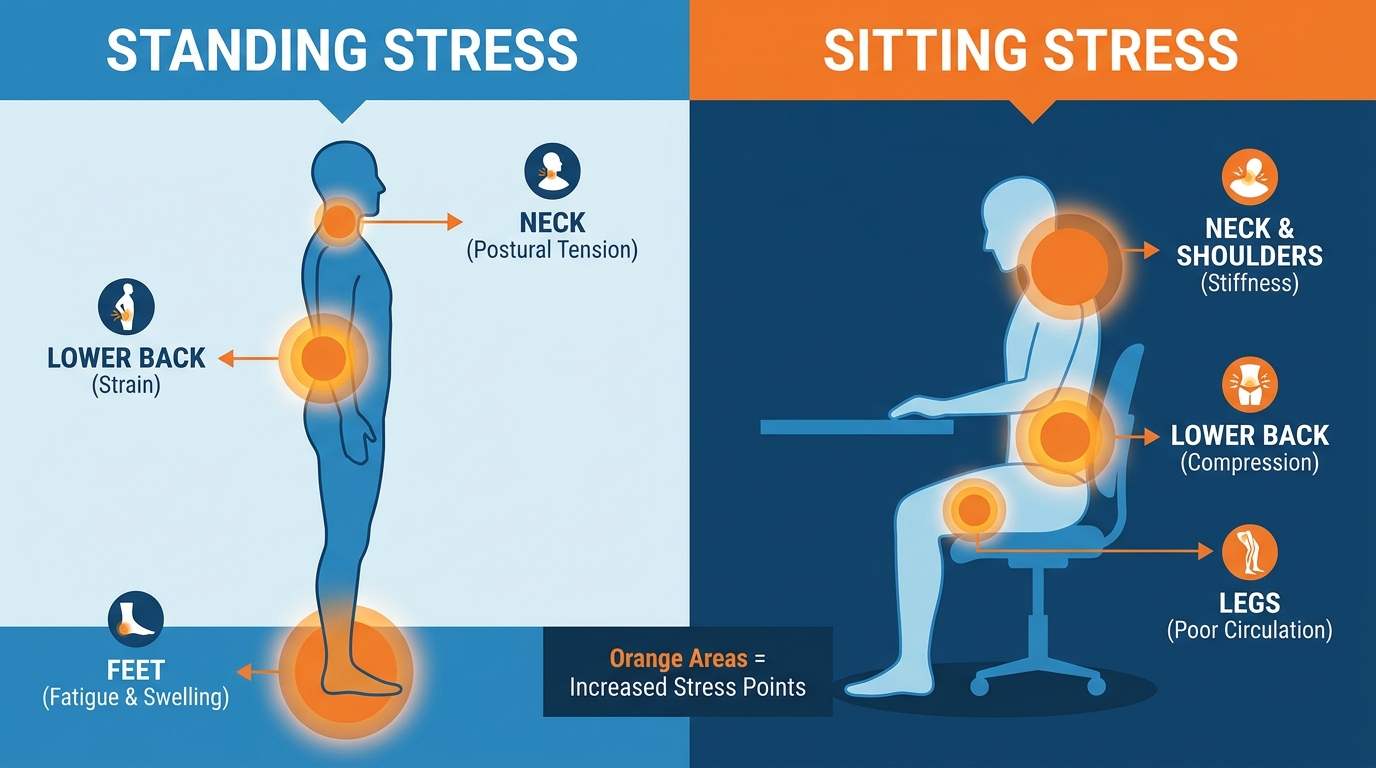
Traditional desks, though, promote long, still periods. We don’t need a PhD to know too much sitting isn’t great for you. However, the negatives of sitting come from sitting for many hours without breaks, not from sitting in general. Keep this in mind before tossing your old desk.
Productivity: Fact Vs. Feeling
Productivity is weirdly personal. Many report feeling more alert at a standing desk, at least for the first weeks. If you’re writing quick emails or holding calls, standing feels fresh and often helps ideas flow. But when it’s time for deep focus—think code review, intensive writing, or spreadsheet modeling—most people still swap to sitting mode. No surprise there? Two thirds of 500 surveyed remote workers switched between stand and sit within two hours, especially during detail-heavy work.
Posture and Pain Prevention
Office chiropractors love to preach about posture. Is just standing enough to fix years of slouching? Not really. Standing does make slouching less tempting, but your body adapts. After a few weeks, most folks revert to leaning, locking their knees, or putting all weight on one foot. Both desk types allow for bad habits to creep back in. Ergonomics take effort, no matter which you pick.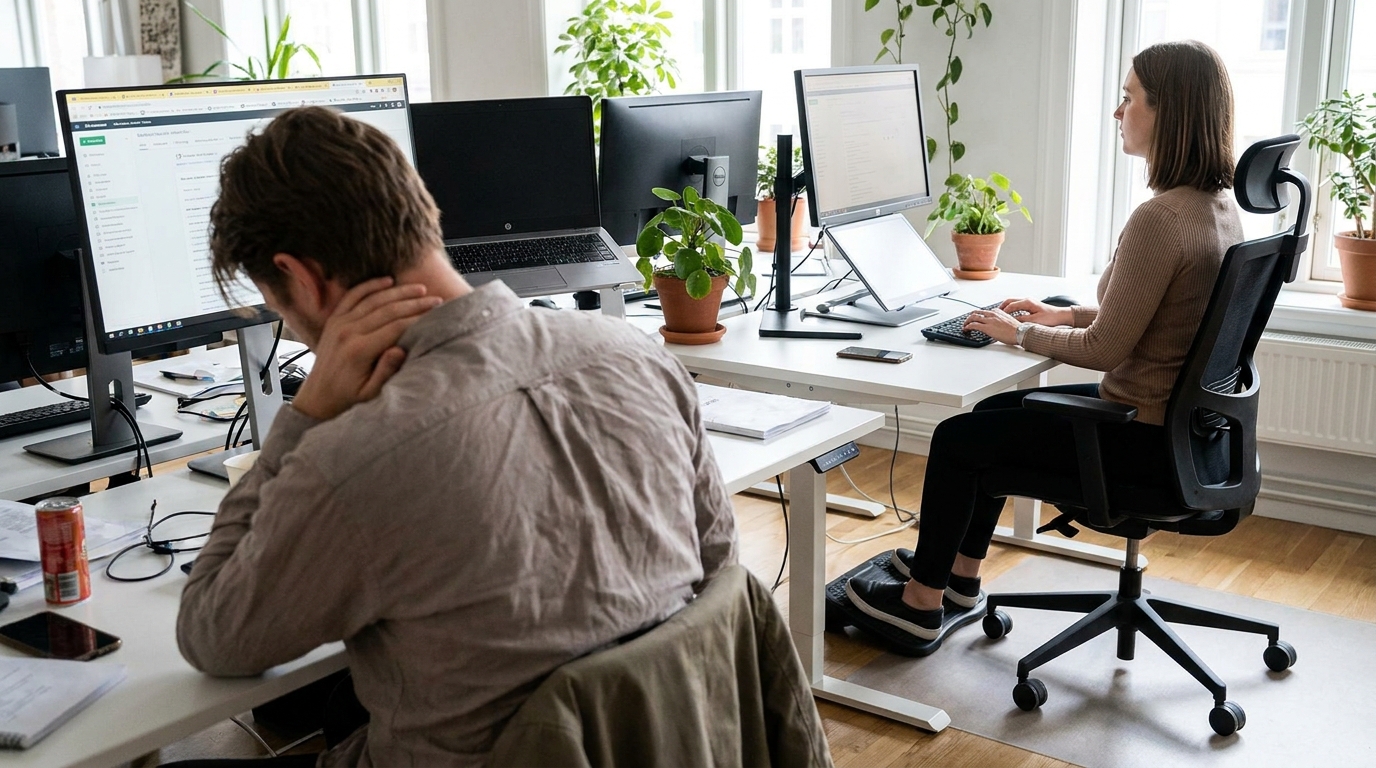
Design, Look, and Price
A solid, classic desk doesn’t break the bank. You can get a basic model under $100, or spend over $1,000 for solid wood finishes. Standing desks (particularly the motorized, height-adjustable kind) almost always cost more, with mainstream models (Uplift, Fully, Jarvis) ranging from $450 to over $1,400 once you throw in premium tops and cable kits.
Visually, standing desks look clean and modern. Some open-plan offices have shifted to all-standing layouts for that very reason. They can make a home office look “pro” fast. But function comes first, design next. Traditional desks do have way more options if you want antique, heavy, or multi-drawer styles.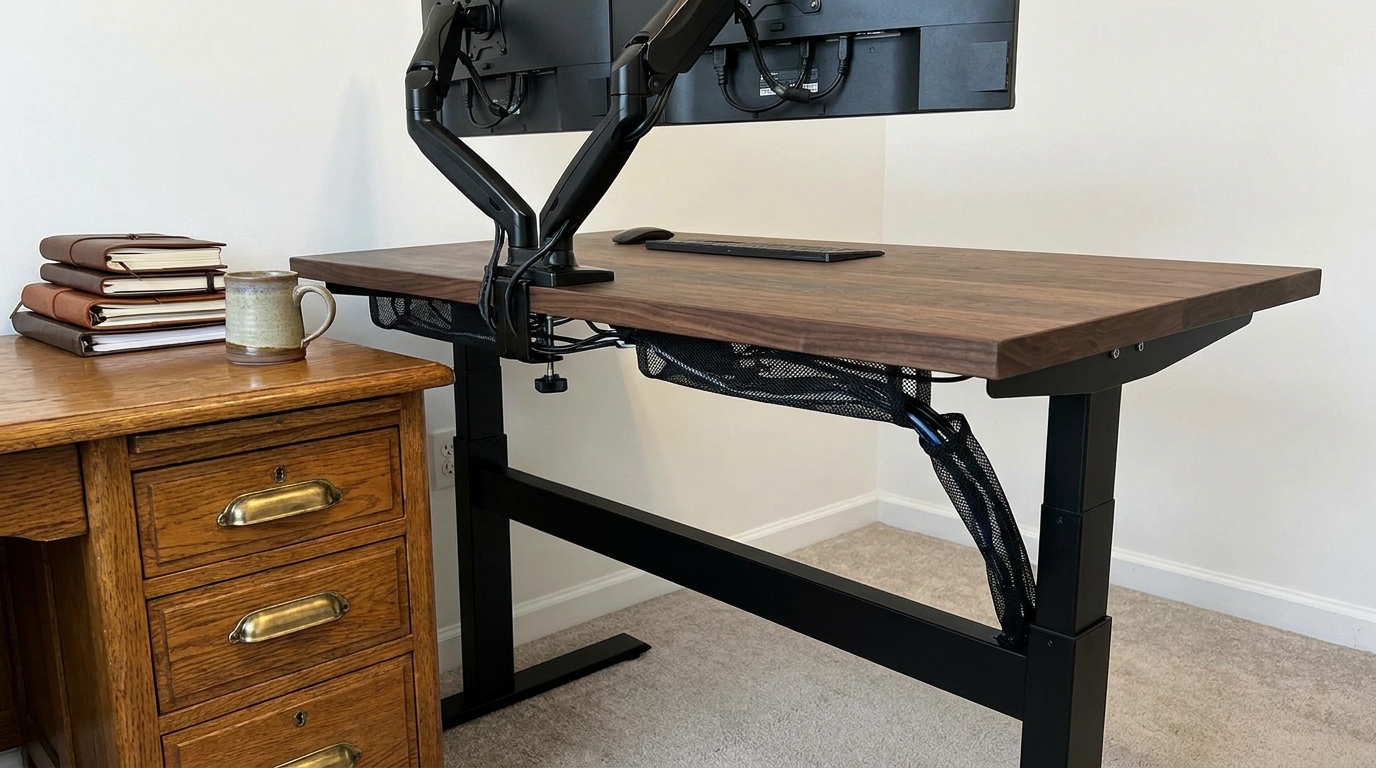
Space and Stability
If you’re short on space, consider desk size and adjustments. Electric standing desks often have chunky legs and wide feet for balance, sitting desks sit flush with a wall. It’s a minor thing, but I figured out when I scraped my shin on a standing desk base last March. Some standing desks have a shake to them at full height, especially for models under $600. High-end units like the Vari Electric are rock-steady at any height. Buyer beware.
Tech Integration and Cable Management
Modern standing desks offer advanced cable storage, device docks, and even wireless charging. That’s handy if you use lots of gadgets. Meanwhile, basic sitting desks leave you to bundle your own cords, unless you spring for a custom build. For someone with three screens and speakers, this makes a real difference. Does better tech justify the price? For heavy users, maybe so.
Noise and Distraction
One thing unnoticed in standing desk reviews: sound. Motorized standing desks make noise when adjusting height. Some are subtle, around 40dB (like a soft fan). Others growl like an old printer. This can break your flow if you work early, or have calls. Sit-down desks, obviously, are silent by default. Worth asking yourself if you mind a brief hum or want total quiet.
Setup and Adjustments
If you love new gadgets, raising and lowering a desk is weirdly satisfying. Some models remember up to four positions—a tap and you’re set. Older or cheaper models crank up by hand and take a while. Traditional desks skip this drama—once built, they don’t move. No risk of malfunction, zero maintenance. If you break a leg, wood glue or brackets can fix most messes. Standing desk motors and control boards sometimes fail out of warranty. That’s not cheap to repair.
Overall Comfort: Who Wins?
Sitting desks feel great for long hours, as long as you get up sometimes. I’ve done five-hour marathon sessions with only a lunch break. Standing is best in short bursts—between meetings, or after meals. A mixed approach seems to work best. Every research paper in the last five years says regular movement, not standing in place, is the real medicine. You agree?
Best for Whom?
If you’re dealing with recurring back pain, the ability to swap positions can help. Standing desks shine for restless workers who don’t like being tied down. Creative types might love the nimble feel. Traditional desks fit a calmer or more formal workflow or space. Shared offices with lots of users often go for standing setups since people vary in height. Do you work alone or swap spots often? Reflect on that.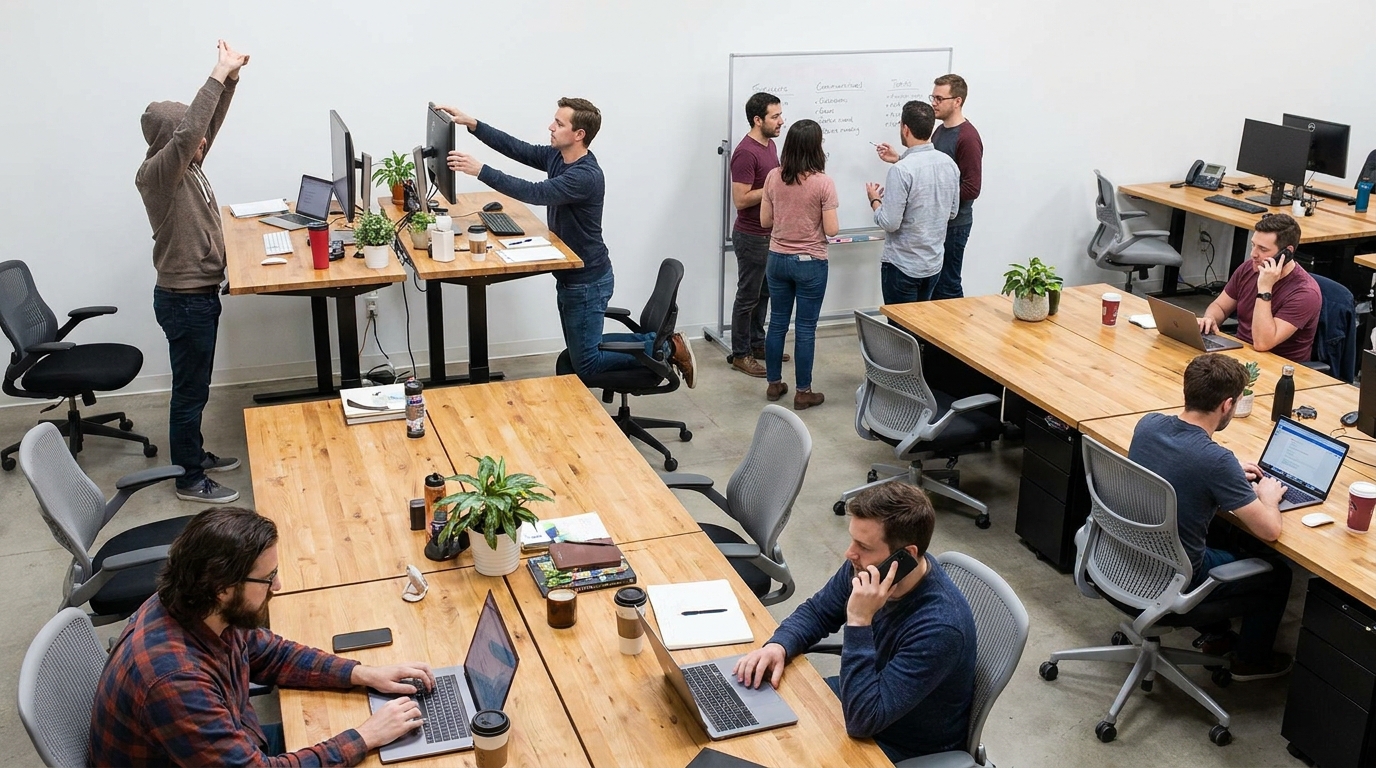
Environmental Angle
Manufacturing a motorized standing desk leaves a heavier carbon footprint compared to plain wood. More plastic, metal, and electronics rarely get recycled. Some makers have switched to sustainable sources, but this only bumps up the price. Basic sitting desks, especially reused ones, beat standing desks in eco impact nearly every time.
Alternative Approaches
Hybrid desks, like Varidesk and FlexiSpot converters, bridge the gap. They sit on top of your classic desk and lift up when you want to stand. Downsides: less space to write, risk of toppling stacks of paper, but they cost way less—usually under $200. If money’s short or you want to test the waters, these are the way to go.
Case Study: Large Office Switch
In February 2021, a mid-size Portland law firm swapped 75 old desks for standing variants. Year after, HR logged a slight drop in reported sore backs but only for about half the staff. Rest switched back to seated mode by spring. Reason? Noise distraction and more stuff toppling off their standing setups. So, standing doesn’t suit all work types or people. Halfway upgrades work best.
Expert Quotes
Dr. Jana Kim, a workplace health expert, explains: “People do best with choice. Giving your body one locked posture—standing or sitting—wears you down. Switching it up is the trick.” Another take, from Tim Barris, IT manager: “Standing desks were a great break at first, but when deadlines get tough, I sit automatically. Comfort beats trend after a month.” Both have a point, don’t you think?
The Verdict and Rating
Standing desks get high points for flexibility, energy, and style. Downsides: cost, stability, and eco impact. Traditional desks win for price, proven design, and less noise, but aren’t as adaptable. My score? 8.4 out of 10 for standing desks in shared or home offices (if you mix-in regular sitting too). If you hate changing habits, a classic desk still gets it done. Would you switch, or stick with what you know?